Introduction
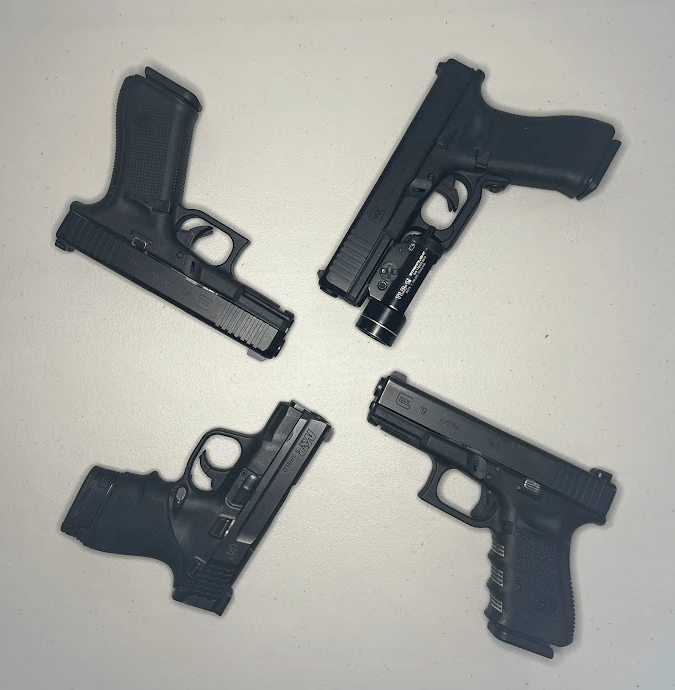
Selecting your first handgun is a big step! It’s a significant decision, blending practicality, safety, and personal preference. This is also a very fun and exciting experience when you go “shopping”; let’s dive into this fun journey together.
This article explores the factors to consider, the history of handguns for self-defense, and recommendations for reliable firearms that suit a beginner’s needs.
A Brief History of Handguns for Self-Defense
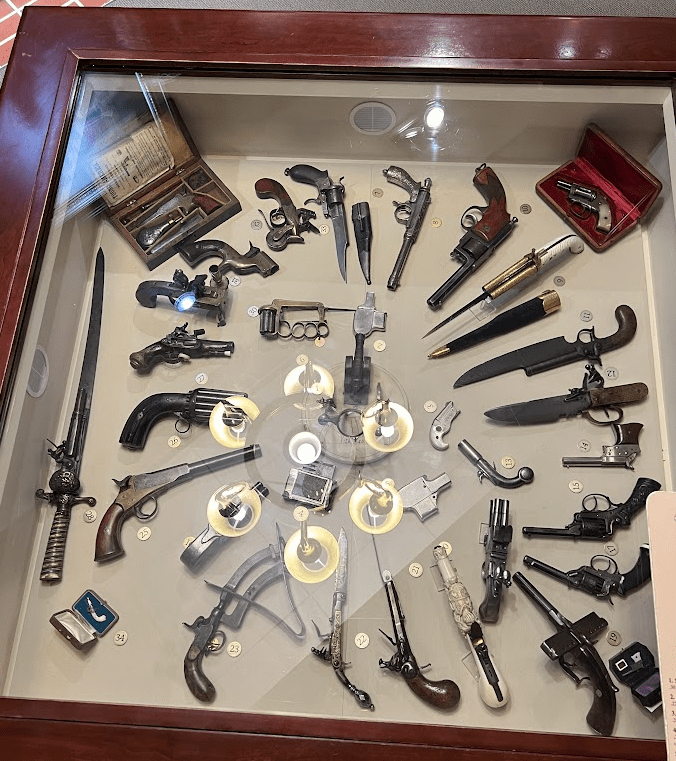
Handguns have a long history as tools for self-defense, dating back to the 16th century when personal firearms were first developed. Compact and portable, handguns quickly became a staple for personal protection. Over time, advancements in technology improved their reliability and ease of use, solidifying their popularity among civilians, law enforcement, and military personnel.
In modern times, handguns remain one of the most accessible and effective options for home defense. Their manageable size and ability to be quickly deployed in emergencies make them ideal for protecting your household.
Key Characteristics to Consider
Ease of Use
For a first-time handgun owner, ease of use is paramount. The best handguns for home defense are intuitive to operate and require minimal training to handle effectively. These comes down to a few characteristics to consider:
- Semi-Automatic Functionality: Semi-automatic handguns are popular for their ability to fire one shot per trigger pull and quickly chamber the next round, allowing for faster follow-up shots if needed.
- Magazine Fed: Unlike revolvers, semi-automatic handguns use magazines, making reloading faster and allowing for more ammunition capacity.
- Striker-Fired Systems: Striker-fired handguns are user-friendly because the trigger pull remains consistent for each shot. This simplicity reduces the learning curve for new shooters.
- Other Firing Systems: It’s worth understanding alternative mechanisms:
- Single Action: The trigger performs only one function: releasing the hammer. Requires manual cocking for each shot.
- Double Action: The trigger both cocks and releases the hammer, but the pull is heavier.
- SA/DA Action: A hybrid system offering the benefits of both single and double action.
- Other Firing Systems: It’s worth understanding alternative mechanisms:
- Clearing Malfunctions: Semi-automatic handguns can experience malfunctions, but a simple “Tap, Rack” procedure resolves 90% of common issues.
Size Matters
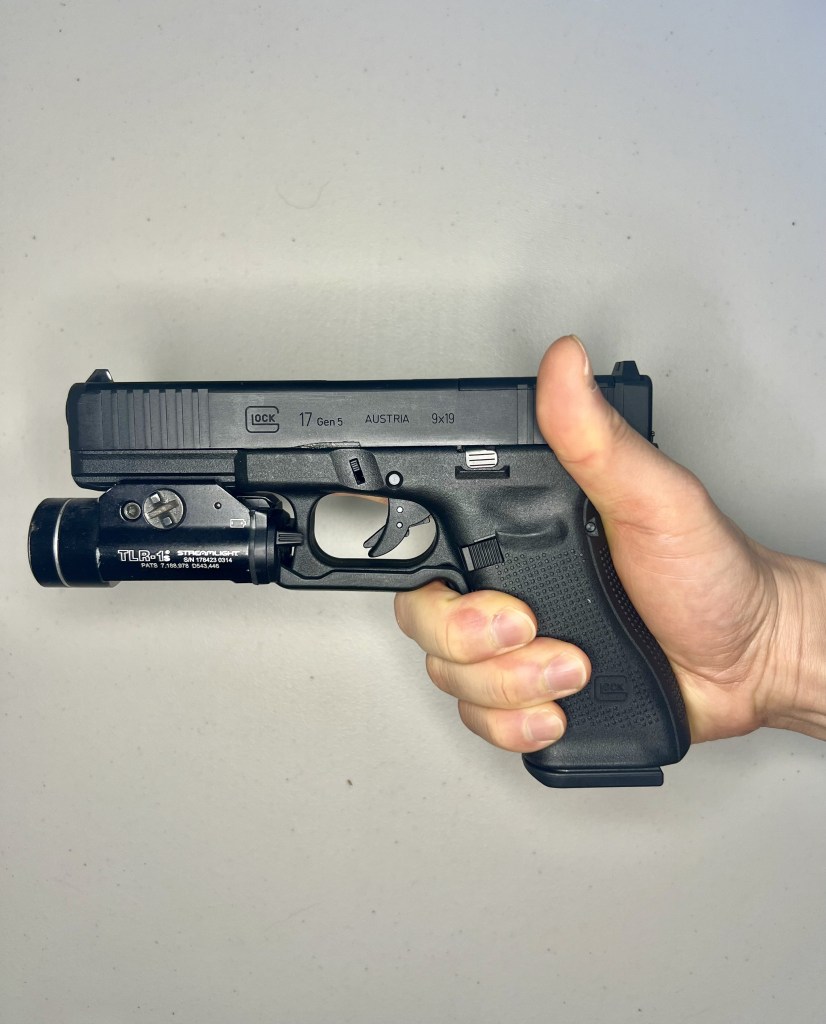
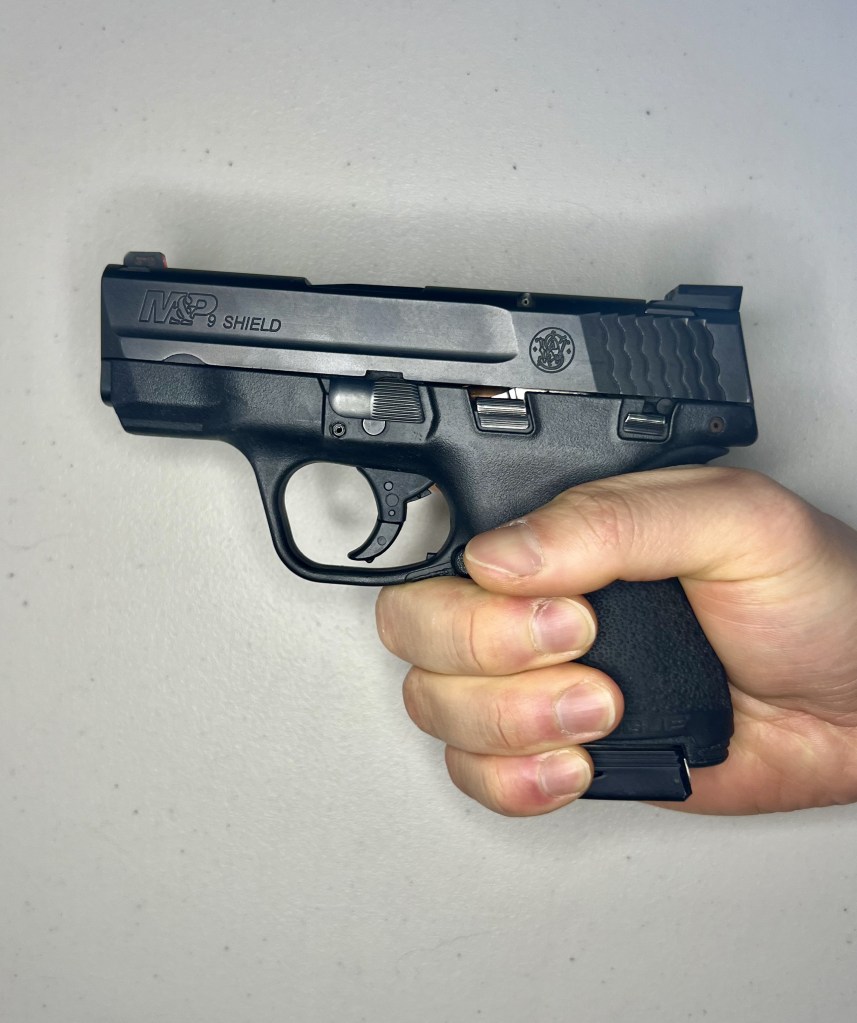
Choosing the right size handgun significantly impacts your ability to handle and shoot accurately.
- Full-Size Handguns:
- Provide a full grip for better stability.
- Heavier weight reduces recoil, making them easier to control.
- More surface area to mount accessories like lights or optics, enhancing their versatility for home defense.
Cost
A quality handgun doesn’t have to break the bank. Expect to pay around $500-$600 for a reliable firearm. At this price point, you’ll find durable, dependable models that meet all the requirements for home defense without compromising quality.
Reliability
A defensive handgun must be reliable above all else. Features to prioritize include:
- Drop-Safe Mechanisms: Striker-fired systems typically protect the firing pin until the trigger is deliberately pulled, minimizing accidental discharges.
- Proven Track Record: Choose models that are widely regarded for their reliability and have undergone rigorous testing by manufacturers and users.
Top Handguns for Home Defense
Here are some top recommendations that balance performance, reliability, and affordability:
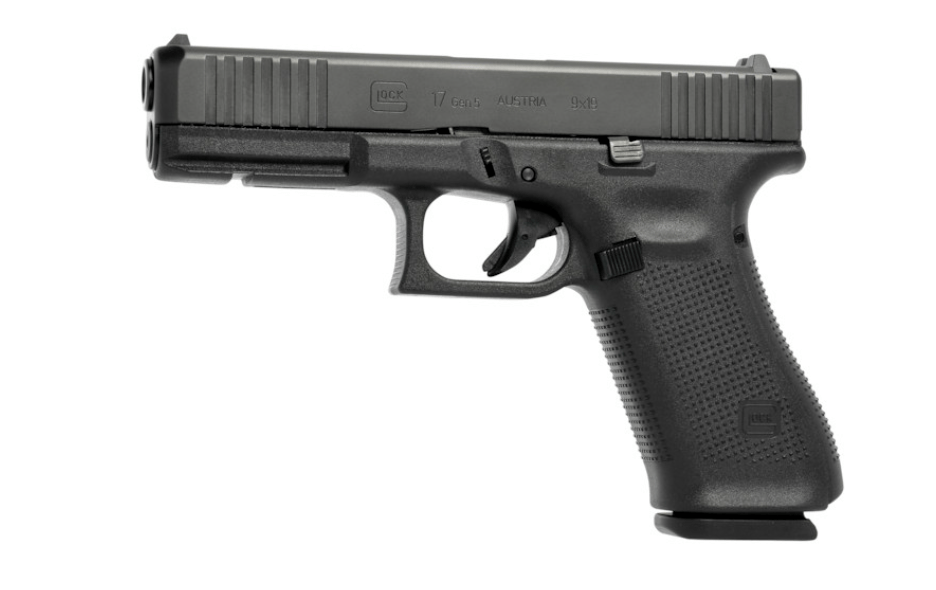
1. Glock 17 Gen 5
- Pros: Legendary reliability, simple design, and extensive aftermarket support.
- Features: 17-round magazine capacity, lightweight polymer frame, and consistent striker-fired trigger system.
- Why It’s Great for Beginners: Intuitive to use, easy to clean, and widely trusted by law enforcement worldwide.
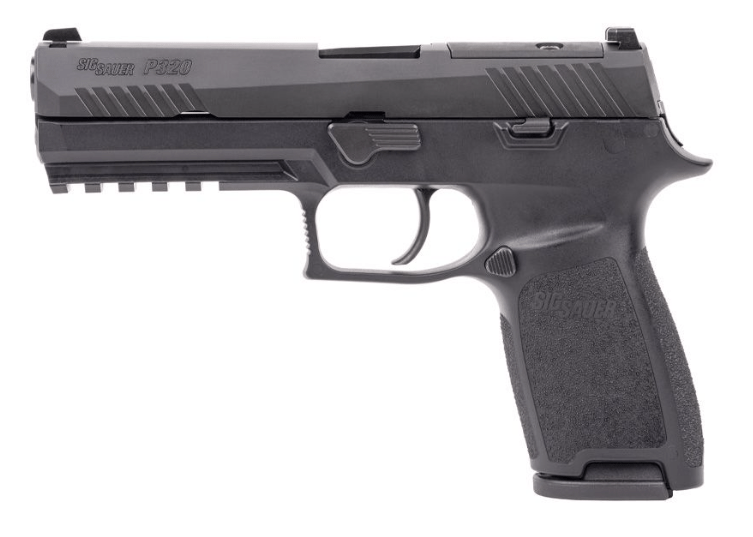
2. Sig Sauer P320 Full-Size
- Pros: Modular design allowing customization, excellent ergonomics, and smooth trigger pull.
- Features: Available in various calibers and configurations to suit individual needs.
- Why It’s Great for Beginners: Adaptable to user preferences, and its reliability is backed by its use in military service.
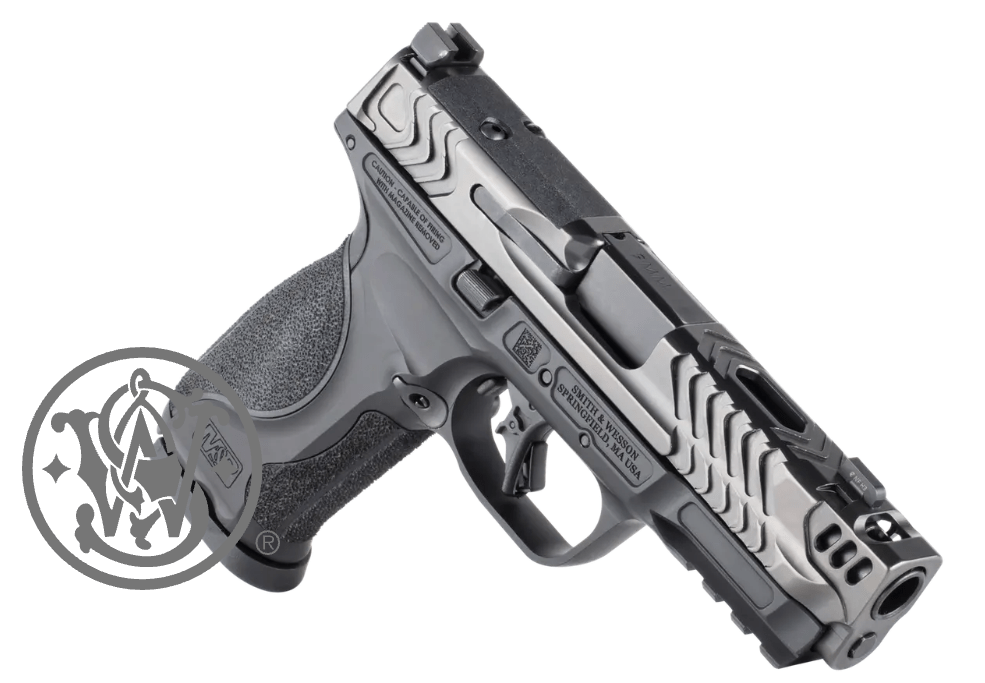
3. Smith & Wesson M&P 9 M2.0 Full Size
- Pros: Aggressive grip texture, interchangeable grip sizes, and crisp trigger.
- Features: Designed for durability and comfort, with a 17-round capacity.
- Why It’s Great for Beginners: Comfortable to hold, easy to shoot, and built for long-term reliability.
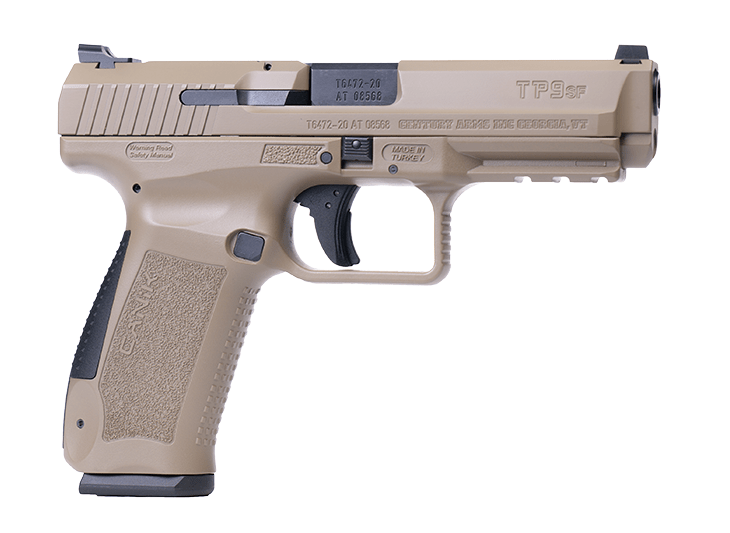
4. Canik TP9SF
- Pros: Excellent trigger for its price, reliable performance, and generous accessory package.
- Features: 18-round magazine and optics-ready slide.
- Why It’s Great for Beginners: Affordable yet packed with features typically found on higher-end pistols.
Additional Considerations
Safe Storage
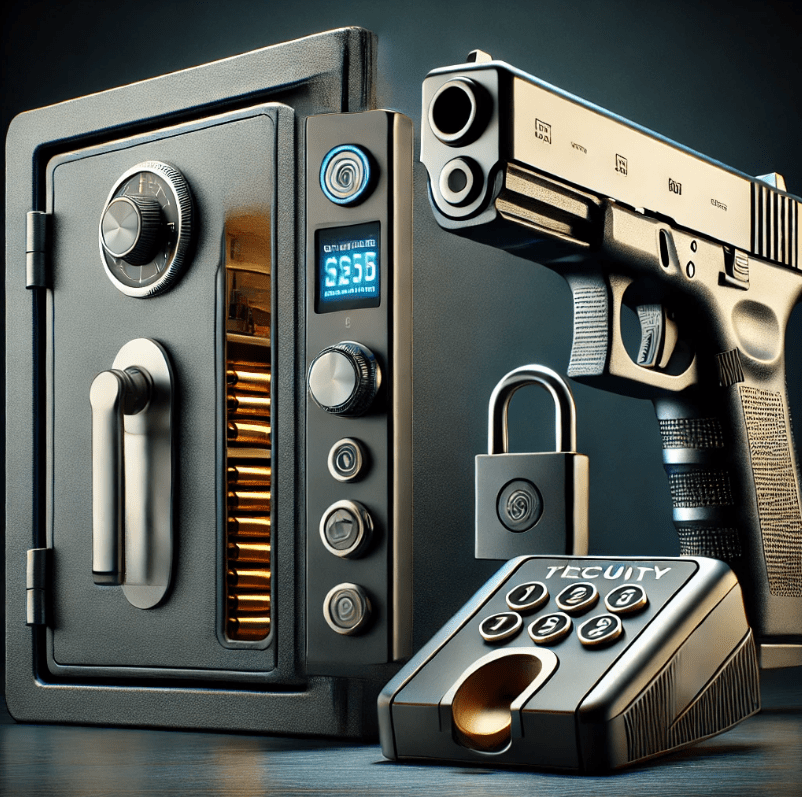
Ensuring your handgun is stored securely is crucial for preventing accidents or unauthorized access. Consider these options:
- Gun Safes: Provide robust protection against theft and tampering.
- Biometric Locks: Allow quick access while preventing unauthorized use.
- Trigger Locks: An affordable option for basic security.
Cleaning and Maintenance
Regular cleaning and maintenance are vital to ensure your handgun functions reliably. Follow the manufacturer’s instructions for disassembly, cleaning, and lubrication.
Legal Considerations
Firearm laws vary by state, and it’s your responsibility to understand the regulations in your area. Some factors to research include:
- Stand Your Ground Laws: These laws allow individuals to use deadly force to defend themselves without a duty to retreat when they reasonably believe they face an imminent threat of serious harm.
- Castle Doctrine: This legal doctrine permits individuals to use deadly force to defend their home (or “castle”) from an intruder without a duty to retreat.
- Duty to Retreat: In states with this requirement, individuals must attempt to avoid conflict by retreating, if safely possible, before using deadly force in self-defense.
Overview of State Laws
| State | Home Defense Laws | Storage Requirements |
|---|---|---|
| Alabama | Stand Your Ground: No duty to retreat in self-defense. | No specific requirements |
| Alaska | Castle Doctrine, Stand Your Ground: Protects against intruders and imminent threats. | No specific requirements |
| Arizona | Stand Your Ground: No duty to retreat in public spaces. | No specific requirements |
| Arkansas | Duty to Retreat: Required in public spaces unless unsafe. | No specific requirements |
| California | Duty to Retreat: Required unless in one’s home. | Mandatory safe storage |
| Colorado | Castle Doctrine: Permits deadly force against intruders in the home. | No specific requirements |
| Connecticut | Duty to Retreat: Required if safely possible. | Mandatory safe storage |
| Delaware | Duty to Retreat: Required in public settings. | Mandatory safe storage |
| Florida | Stand Your Ground: Broad protections in public and private spaces. | No specific requirements |
| Georgia | Stand Your Ground: No retreat required when facing a threat. | No specific requirements |
| Hawaii | Duty to Retreat: Retreat required when possible. | Mandatory safe storage |
| Idaho | Castle Doctrine: Protects against home intrusions. | No specific requirements |
| Illinois | Duty to Retreat: Retreat required unless at home. | Mandatory safe storage |
| Indiana | Castle Doctrine: Allows force to defend home. | No specific requirements |
| Iowa | Stand Your Ground: No duty to retreat in self-defense. | No specific requirements |
| Kansas | Stand Your Ground: Broad self-defense protections. | No specific requirements |
| Kentucky | Stand Your Ground: No retreat required when facing a threat. | No specific requirements |
| Louisiana | Stand Your Ground: Broad protections for personal safety. | No specific requirements |
| Maine | Duty to Retreat: Required in public if safely possible. | Mandatory safe storage |
| Maryland | Duty to Retreat: Required except in the home. | Mandatory safe storage |
| Massachusetts | Duty to Retreat: Retreat required unless in the home. | Mandatory safe storage |
| Michigan | Stand Your Ground: No retreat required when facing a threat. | No specific requirements |
| Minnesota | Duty to Retreat: Required in public unless unsafe. | Mandatory safe storage |
| Mississippi | Stand Your Ground: Broad protections for self-defense. | No specific requirements |
| Missouri | Stand Your Ground: Permits self-defense without retreat. | No specific requirements |
| Montana | Castle Doctrine: Protects home and occupants. | No specific requirements |
| Nebraska | Duty to Retreat: Required unless unsafe. | No specific requirements |
| Nevada | Castle Doctrine: Covers defense within one’s home. | No specific requirements |
| New Hampshire | Stand Your Ground: No duty to retreat in self-defense. | No specific requirements |
| New Jersey | Duty to Retreat: Required unless at home. | Mandatory safe storage |
| New Mexico | Duty to Retreat: Required unless unsafe. | No specific requirements |
| New York | Duty to Retreat: Retreat required unless at home. | Mandatory safe storage |
| North Carolina | Stand Your Ground: Broad protections for self-defense. | No specific requirements |
| North Dakota | Castle Doctrine: Permits force to protect home. | No specific requirements |
| Ohio | Stand Your Ground: No retreat required in public. | No specific requirements |
| Oklahoma | Stand Your Ground: Broad protections for self-defense. | No specific requirements |
| Oregon | Duty to Retreat: Required unless unsafe. | No specific requirements |
| Pennsylvania | Castle Doctrine: Protects against intruders in the home. | No specific requirements |
| Rhode Island | Duty to Retreat: Required if safely possible. | Mandatory safe storage |
| South Carolina | Stand Your Ground: No retreat required when facing a threat. | No specific requirements |
| South Dakota | Castle Doctrine: Covers defense of one’s home. | No specific requirements |
| Tennessee | Stand Your Ground: Broad protections for personal safety. | No specific requirements |
| Texas | Castle Doctrine, Stand Your Ground: Strong home and self-defense rights. | No specific requirements |
| Utah | Castle Doctrine: Covers defense against intrusions. | No specific requirements |
| Vermont | Duty to Retreat: Retreat required unless unsafe. | No specific requirements |
| Virginia | Duty to Retreat: Required in public spaces. | No specific requirements |
| Washington | Duty to Retreat: Retreat required unless unsafe. | No specific requirements |
| West Virginia | Stand Your Ground: No retreat required when facing a threat. | No specific requirements |
| Wisconsin | Castle Doctrine: Covers defense of one’s home. | No specific requirements |
| Wyoming | Castle Doctrine: Protects against home intrusions. | No specific requirements |
Note: Always consult local laws and regulations for the most accurate and up-to-date information.
Conclusion
Choosing your first handgun for home defense is a process that balances practicality, personal preference, and legal considerations. By focusing on ease of use, reliability, and safe storage, you’ll be well-prepared to protect your home and loved ones responsibly. The Glock 17, Sig Sauer P320, Smith & Wesson M&P 9 M2.0, and Canik TP9SF are excellent options for first-time owners. Take the time to visit a range, try out different models, and find the one that feels right for you!



Leave a Reply