Introduction
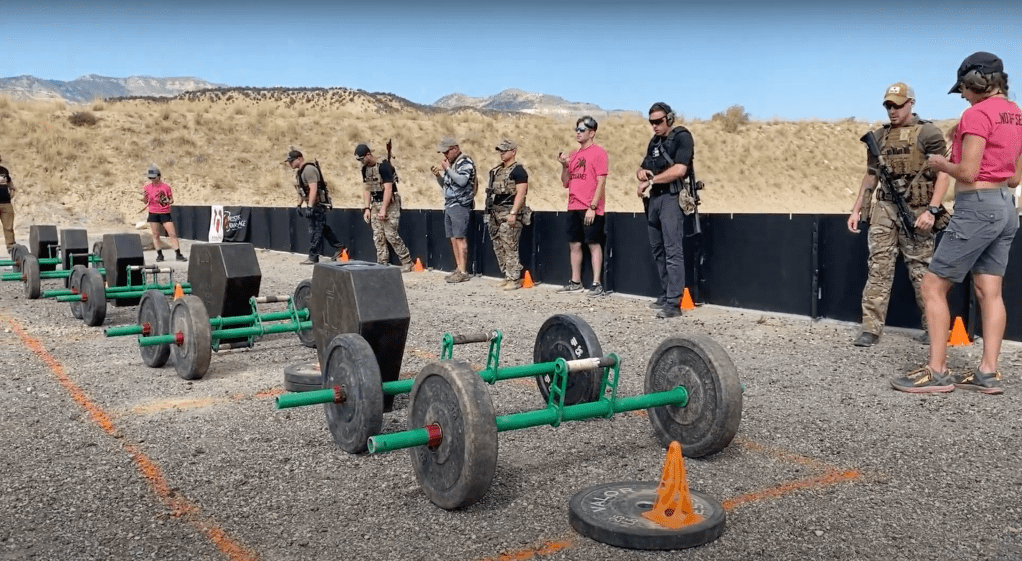
I’d like to use this article to share some of my experience from competing in The Tactical Games games. Note that these experiences mostly drew from personally competing back in 2020 and 2021. While the logistics, venue, and safety protocols of the competition have improved overtime as the sport expands, the principle and spirit of the game remains the same: there is no off season!
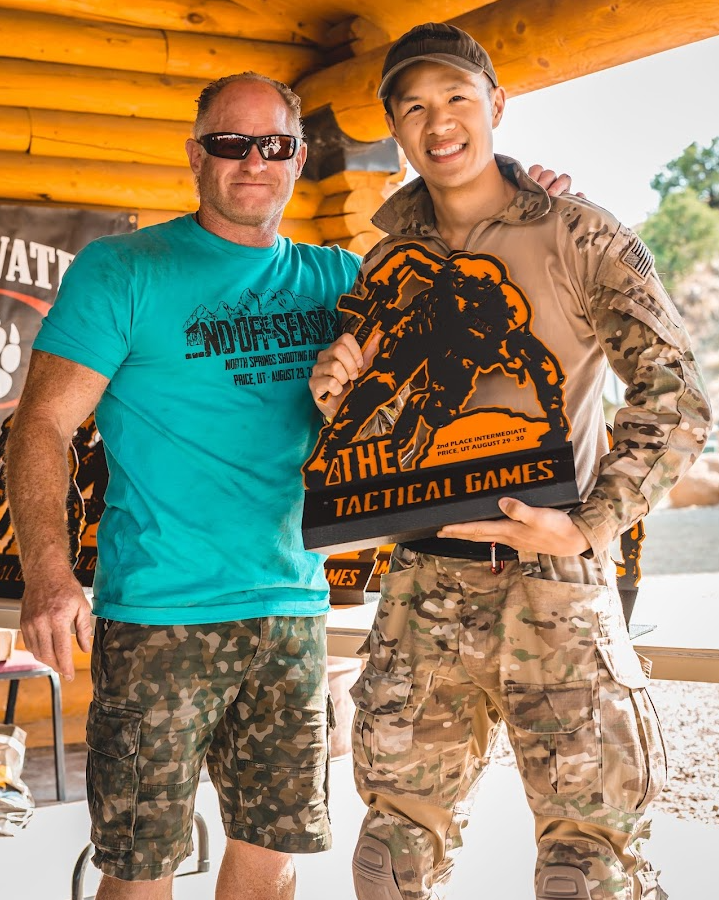
You will be tested in all aspects of the mental, physical, and logistical challenge, and you’re forced to follow direction, make good judgment, practice safe firearm handling, and achieve your mission objectives when you’re most physically and mentally exhausted. It is one of the best competitions out there that equally test both your physical and marksmanship capabilities; whether you’re in military, law enforcement, of the private sector, this competition will surely put your skills to the test.
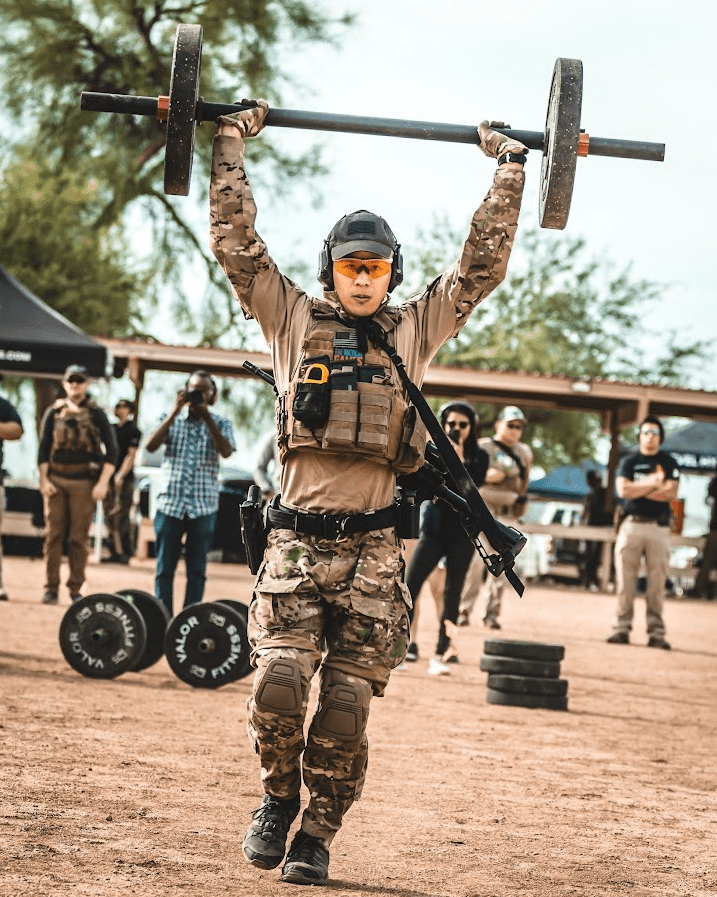
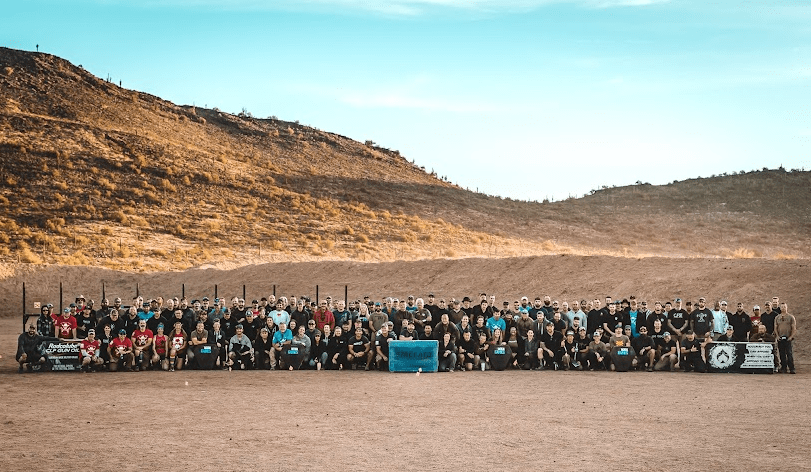
In addition, I can’t say enough about how great of a community The Tactical Games is, where everyone from all backgrounds come together on a weekend, to cheer each other up, to help each other. I personally saw someone’s rifle stock broke down during the competition, and someone else just lended him another rifle to compete for the rest of the weekend. I also got to try the one of the newest Garmin smart watch from a new friend I met at the event. And yes, you get to meet some life long friends because you not only share the same passion for tactical fitness, but also the same work ethics – no average random person would decide to show up to an event like this on their own time and dim to be tortured out here physically and mentally. Those who show up already demonstrate a different level of standards they hold themselves to.
So let’s talk about what it takes to be successful at this event. First and foremost is safety – make sure to follow all the instructions from the range officer for the entire weekend; the last thing you want is to get disqualified from the event due to some safety issue.
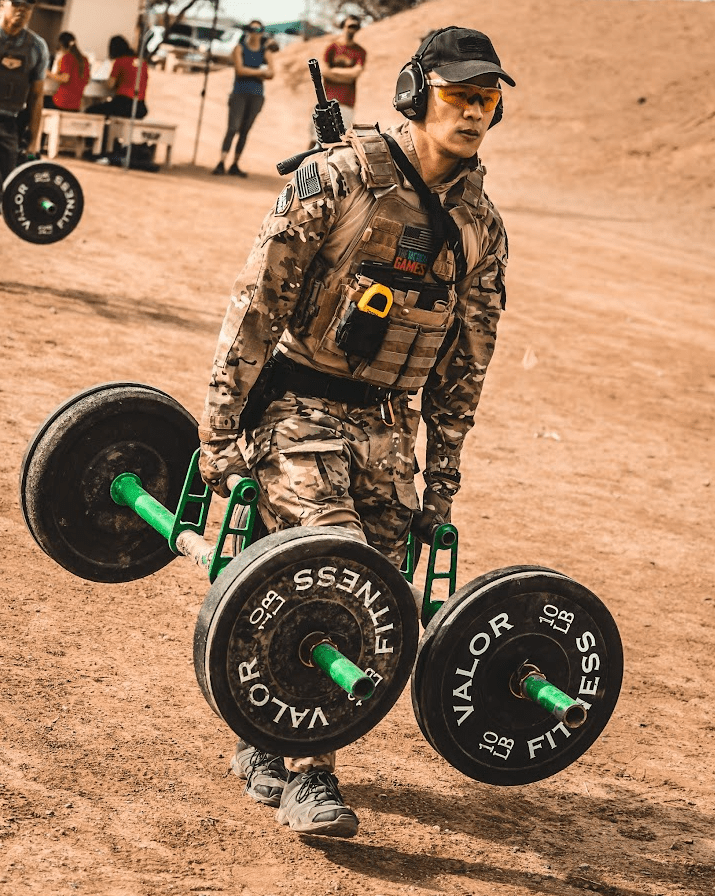
Beyond that, let’s breakdown the components it takes to successfully compete, and hopefully win at The Tactical Games competition:
Preparation: 3-6 Months Before the Event
Physical Training
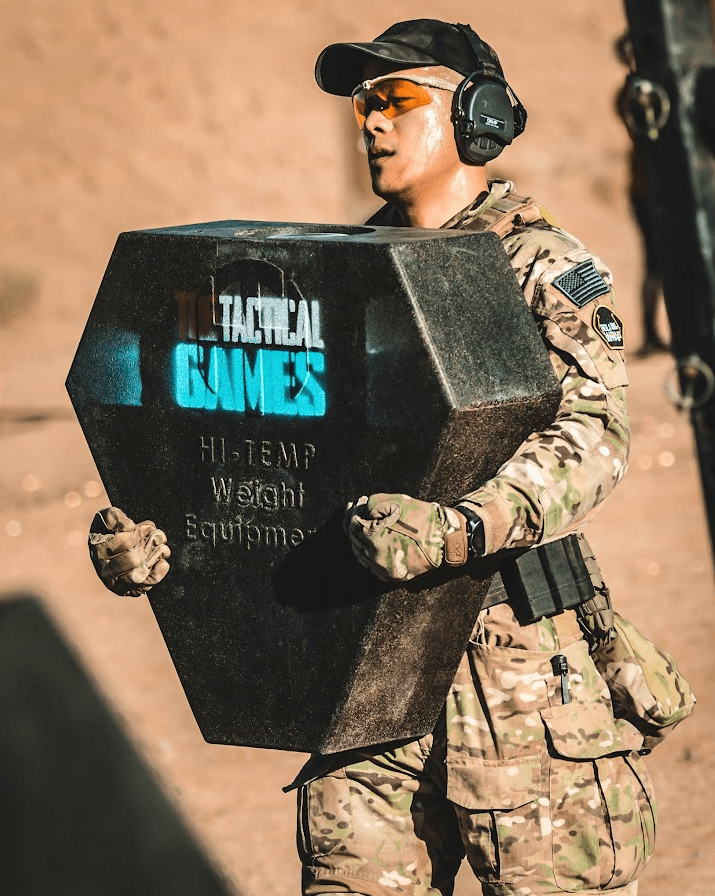
- Strength and Conditioning: Engage in functional strength training that mirrors the demands of the competition. Incorporate exercises like sandbag lifts (150-200 lbs) to build the necessary strength for event challenges. Additionally, integrate high-intensity interval training (HIIT) to enhance cardiovascular endurance, preparing you for the physically taxing stages of The Tactical Games.
- Obstacle Proficiency: Develop skills to efficiently navigate obstacles such as rope climbs, 6-foot wall scales, and barrier traverses. Regular practice of these movements will ensure you can tackle any physical challenge presented during the competition.
- Endurance Training: Incorporate running sessions into your regimen, aiming to comfortably complete 3-5 miles. This endurance base is crucial for the longer stages of the competition.
- Shooting Under Duress: Simulate elevated heart rate shooting by performing exercises like burpees or sprints immediately before engaging targets. This practice acclimates you to shooting accurately under physical stress, a common scenario in The Tactical Games.
- Injury Prevention: Address any pre-existing conditions with a healthcare professional. Implement mobility and flexibility routines to reduce the risk of injury during training and competition.
Mental Preparation
- Resilience Building: Cultivate mental toughness by pushing through challenging workouts, training your mind to endure discomfort and maintain focus under pressure.
- Stress Management: Practice techniques such as controlled breathing and visualization to manage competition-related stress effectively.
- Situational Awareness: Enhance your ability to make quick decisions by engaging in scenario-based training, improving your tactical decision-making skills.
Logistical Preparation
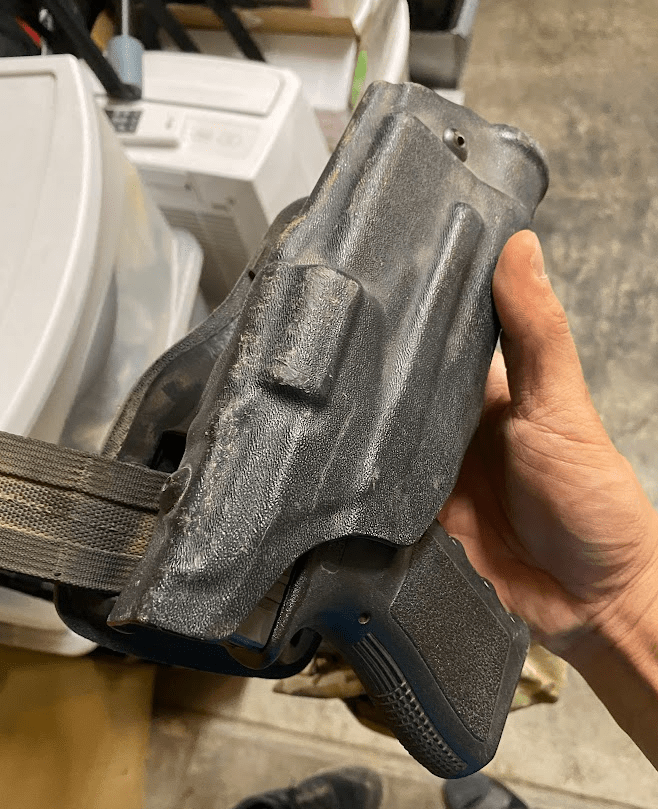
- Equipment Familiarization: Select and thoroughly test your gear, including firearms, optics, vests, and holsters. Ensure all equipment functions reliably under various conditions, and practice with your gear to build familiarity and confidence.
- Ammunition Management: Source and test your ammunition to ensure consistency and reliability. Familiarize yourself with your ammunition’s performance at various distances to enhance shooting accuracy.
- Nutritional Planning: Adopt a balanced diet that supports your training demands, focusing on macronutrient intake to fuel workouts and aid recovery.
- Scheduling: Develop a structured training plan that balances physical conditioning, skill development, and rest, ensuring comprehensive preparation without overtraining.
Preparation: 1-2 Weeks Before the Event
- Physical Preparation
- Tapering: Gradually reduce training intensity to allow your body to recover fully, ensuring peak performance during the competition.
- Skill Refinement: Increase focus on marksmanship through range sessions and dry-fire practice, honing precision and consistency.
- Logistical Preparation
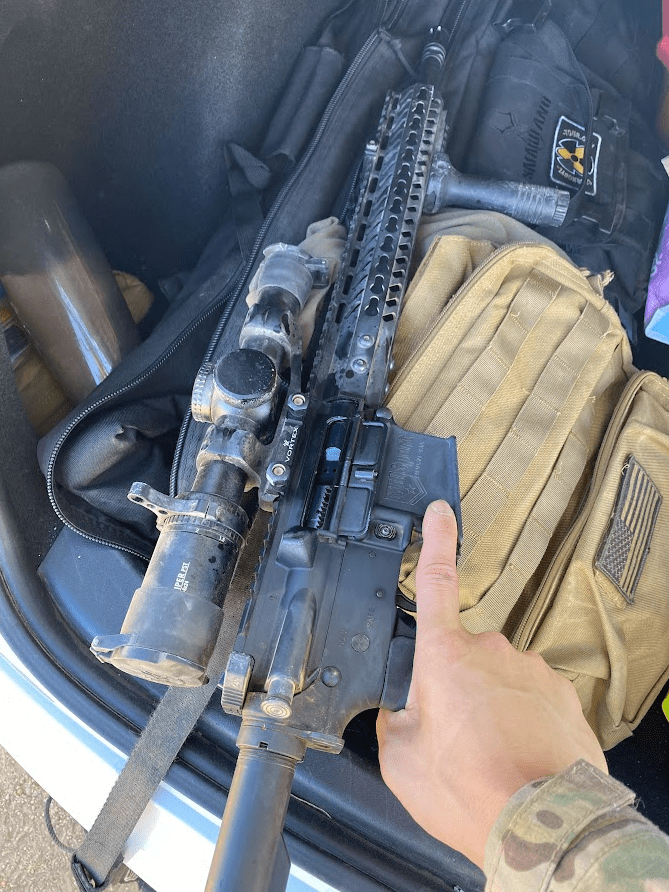
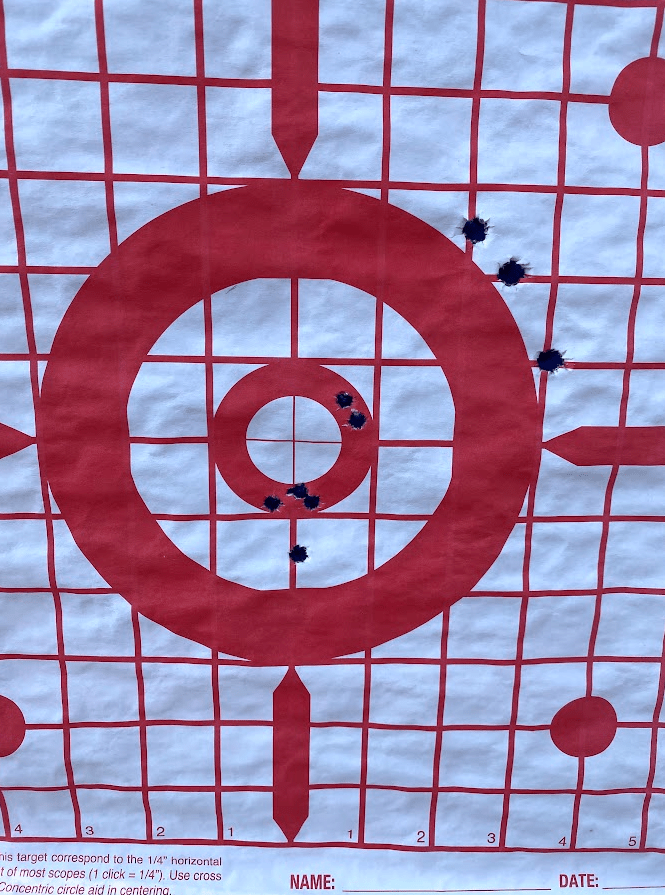
- Equipment Checks: Confirm that all gear is in optimal condition. Zero your firearms and verify accuracy at various distances, including unconventional shooting positions.
- Properly zeroing and sighting in your rifle, handgun, and maintaining that zero during the entire weekend competing
- Know your zeros and hold over at ALL distances: 5, 15, 25, 50, 100, all the way to 400/ 500 yards. Know the hold over when you have to tilt the weapon 90 degree left or right, at ALL distances. The Tactical Games will test you this at ALL distances.
- Travel Arrangements: Organize transportation of equipment, adhering to regulations if flying, and ensure all necessary items are packed and accounted for.
- Nutritional Strategy: Plan meals and snacks for competition days, focusing on easily digestible, energy-sustaining foods.
- Sleep Optimization: Prioritize quality sleep in the days leading up to the event to enhance recovery and cognitive function.
During the Competition
Physical Execution
- Warm-Up Routine: Engage in dynamic warm-ups before each stage to prepare your body and reduce injury risk.
- Pacing Strategy: Assess the demands of each stage and pace yourself accordingly, conserving energy for longer challenges and exerting maximum effort when appropriate.
- Hydration and Cooling: Maintain hydration throughout the day, especially in hot environments. Use cooling towels or portable fans during rest periods to regulate body temperature and sustain performance.
- Recovery Strategy Between Battles: Foam rolling, stretching, and light mobility exercises during downtime help minimize muscle stiffness and enhance recovery for subsequent battles.
Mental Focus
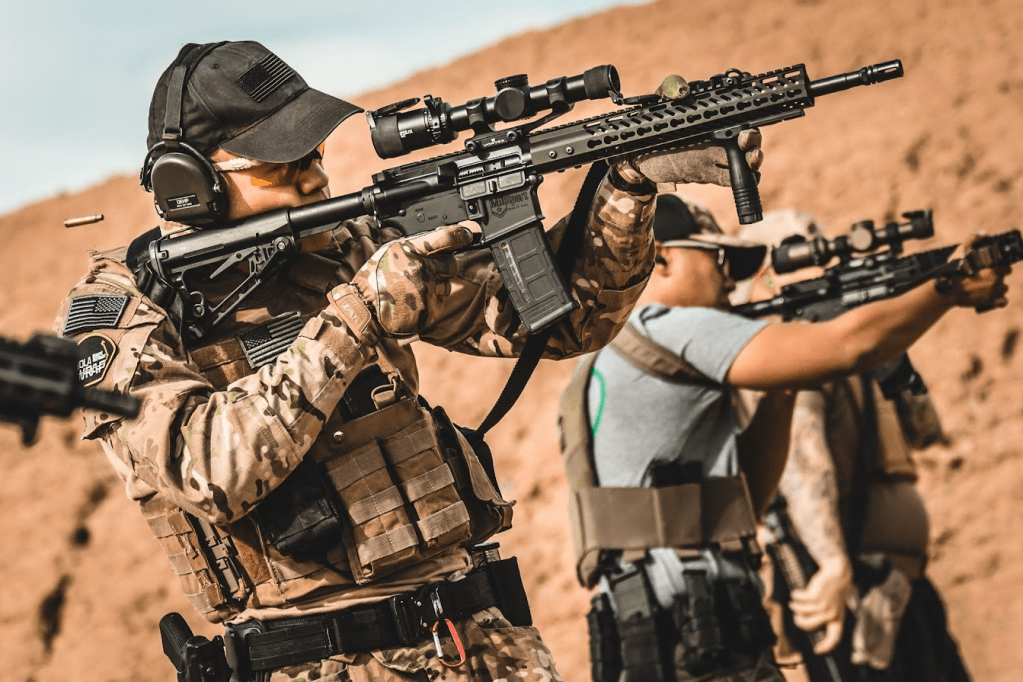
- Situational Awareness: Maintain focus on the immediate task, minimizing distractions, and adapting to unforeseen challenges with composure.
- Stress Recovery: If mistakes occur, quickly regain focus and proceed without dwelling on errors, maintaining a positive and resilient mindset.
- Visualizing Success: Before a stage begins, take a moment to mentally walk through the tasks, visualizing yourself executing each movement and shot with precision.
- Mind Over Muscle: When fatigue sets in, remind yourself of your training and the effort invested in preparation. A strong mental game can often outlast physical exhaustion.
Logistical Management
- Equipment Maintenance: Regularly inspect and clean your gear between stages to prevent malfunctions, ensuring consistent performance.
- **Nutritional
- Contingency Planning: Prepare for worst-case scenarios, such as gear failures or unexpected delays. Carry spares for essential items (e.g., batteries, optics covers) and create a checklist for rapid fixes during downtime.
After the Event
1. Physical Recovery
- Structured Cool-Down: Immediately post-event, engage in a light cool-down jog or stretching session to kickstart recovery and reduce soreness.
- Active Recovery Days: In the week following the competition, focus on light activities like yoga or swimming to aid muscle repair without overloading your system.
2. Nutritional Refueling (Expanded)
- Protein Timing: Consume 20–30 grams of protein within an hour of finishing to optimize muscle recovery. Pair this with complex carbohydrates to replenish glycogen stores.
- Electrolytes and Rehydration: Rehydrate with water enhanced by electrolytes to counteract the effects of intense sweating and physical exertion.
3. Learning From Experience
- Review Performance Data: If available, review time logs, scores, or recordings from your stages. Identify patterns, like where you excelled or lagged, to fine-tune future training.
- Solicit Feedback: Engage with other competitors or officials post-event to gain insights into areas for improvement or alternative techniques.
4. Celebration and Acknowledgment
- Acknowledging the Effort: Reflect on the achievement and celebrate regardless of your ranking. Completing TTG is a monumental task deserving recognition.
- Reaffirming Goals: Whether your goal was to win, improve your personal best, or simply finish, align your post-event mindset with long-term growth.
Closing Thoughts (Expanded)
The Tactical Games represent a true test of holistic fitness, tactical expertise, and mental fortitude. Preparation begins months in advance and continues right up to competition day, with every element contributing to your success. Beyond the challenges, the TTG community offers unparalleled camaraderie and mutual respect, reminding competitors that while the event tests your limits, it also builds lasting bonds.
In Part 2, we’ll explore advanced strategies for excelling in each stage of the event, with detailed breakdowns of common obstacles and real-world solutions to ensure you’re prepared for any situation.
 Tactics and Gear(s), for those who protect.
Leave a comment